Zendesk vs. Fin (formerly Intercom): A comparison guide for 2026
See how Zendesk and Fin compare on AI resolution quality, workflow depth, pricing, and the day-to-day agent experience.

Última atualização em July 23, 2026
Why companies are switching from Fin to Zendesk
As of June 2026, Salesforce has announced its intent to acquire Fin (Intercom).
When teams compare Zendesk vs. Fin, the decision often comes down to service maturity. Fin may work for teams focused on chat-led automation, but growing organizations need more than fast front-end replies.
Zendesk gives CX and EX teams a complete service platform built around four principles: trusted, precise, guided, and unified. Together, they support AI service that resolves issues, protects quality, and scales across teams, channels, and workflows.
That difference matters as support gets more complex. Teams need AI that works seamlessly with knowledge, agents, reporting, QA, workforce management, and governance—rather than another solution that requires third-party tools and add-ons.
Trusted
Zendesk gives teams the control to use AI with confidence. Built-in security, governance, QA, and visibility give leaders a clearer view of how AI and human agents perform across the service journey. This means teams can automate more while protecting customer trust, data, and service standards.
Fin offers AI automation for customer conversations, but teams may need added tools or integrations to manage broader governance, quality assurance, and workforce needs. As service operations grow, that added complexity can make it harder to standardize AI performance across teams and channels.
Precise
Zendesk is built to improve resolution quality over time. Native QA reviews 100 percent of human and AI interactions, while reporting and analytics surface trends, risks, and performance gaps. Teams get clearer insight into what happened, why it happened, and where to improve next.
Fin focuses heavily on AI-led responses and deflection. This approach may move simple conversations along faster, but it gives teams less operational depth when they need advanced QA, reporting, routing, escalation management, and performance visibility across the full service operation.
Guided
Zendesk AI works alongside service teams like a fellow team mate. AI agents resolve issues autonomously, while agent copilot guides human agents toward faster resolutions with intelligent triage and suggested replies. With admin copilot, teams benefit from insights and recommendations to continually optimize processes and improve operations.
Fin supports AI-powered customer interactions, but its value is more concentrated at the conversation layer. Teams that need deeper agent assistance, operational guidance, and AI across triage, routing, and reporting may outgrow a chat-first model.
Unified
Zendesk brings native AI, knowledge, ticketing, QA, WFM, and omnichannel support into one platform. CX and EX teams can manage customer and employee service from the same place, reducing tool sprawl and giving leaders a clearer path to scale.
Fin is praised for being easy to use, but as teams add more channels, brands, workflows, and departments, they may need a broader service platform. Zendesk G2 reviewers appreciate that we provide “one place to manage everything when it comes to customer interactions, processes, and support work,” so teams aren’t forced to stitch together point solutions.
More in this guide:
- At-a-glance comparison: Zendesk vs. Fin
- Zendesk vs. Fin: Features comparison
- Zendesk vs. Fin pricing
- See why teams choose Zendesk over Fin
- Frequently asked questions
- Purpose-built for service: The Zendesk Resolution Platform
At-a-glance comparison: Zendesk vs. Fin (formerly Intercom)
Use this Zendesk vs. Fin comparison table to quickly evaluate the capabilities that shape the total cost of ownership and day-to-day service performance. For CX and EX teams, the biggest differences often appear in governance, reporting, workflow depth, and how well AI works across the full service operation.
|
Core service pillars |
Zendesk |
Fin (formerly Intercom) |
|
Trusted |
Predictable, resolution-based pricing |
Usage-based pricing that may increase with volume |
|
Continuous development is dedicated to service |
Roadmap uncertainty after Salesforce’s acquisition | |
|
Integration ecosystem with 1800+ apps |
Smaller integration library (~450 apps) | |
|
Precise |
Fast implementation and AI agent deployment |
Setup can become more complex as needs grow |
|
AI agents purpose built for end-to-end service resolution |
Generative chatbot built for low-complexity questions | |
|
Granular reporting for building and managing SLA & OLA |
Separate SLA for each channel and no OLA options | |
|
Guided |
AI pre-trained on 18B+ service interactions |
AI is centered on front-end conversation automation |
|
Proactive agent copilot with suggested replies |
Copilot dependent on manual prompting | |
|
Native Quality Assurance |
QA requires third-party tools | |
|
Unified |
Single workspace for service teams |
Messaging-first workspace built around customer conversations |
|
True omnichannel: voice, chat, email, social, WhatsApp, and more |
Multi-channel platform with usage-based fees for SMS, WhatsApp, voice, and outbound messaging | |
|
Native workforce management for staffing and performance optimization |
No WFM; requires third-party vendors |
Zendesk vs. Fin: Features comparison
AI agents
Zendesk AI agents resolve issues across channels and languages, from simple questions to complex service requests. They connect to knowledge, workflows, and business systems, so teams can automate more without risking control.
Fin is positioned around chat-first, messaging-led support. It’s reactive rather than proactive and supports fewer languages.
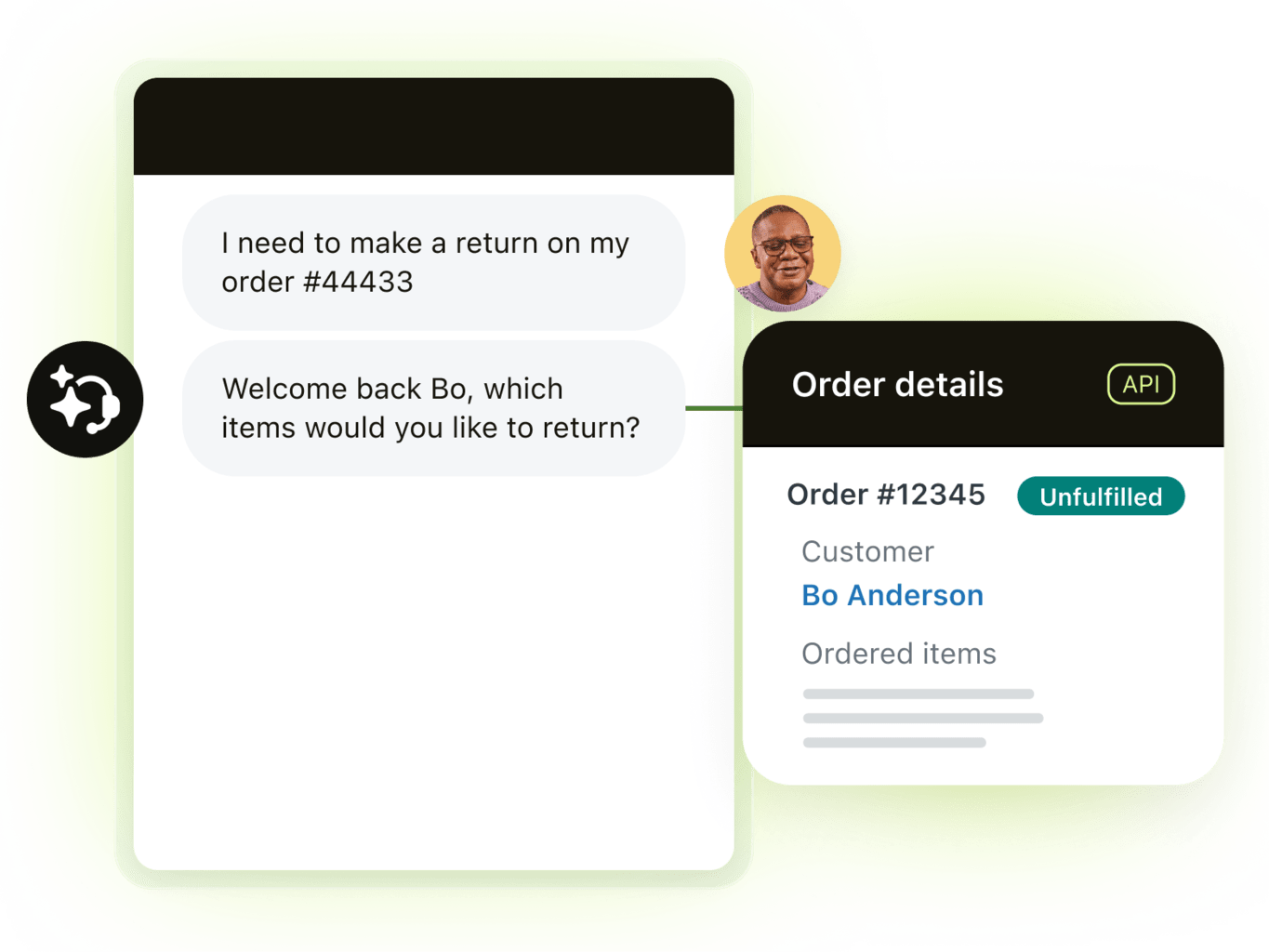
See the future of customer service with Zendesk's AI agents.
Agent copilot
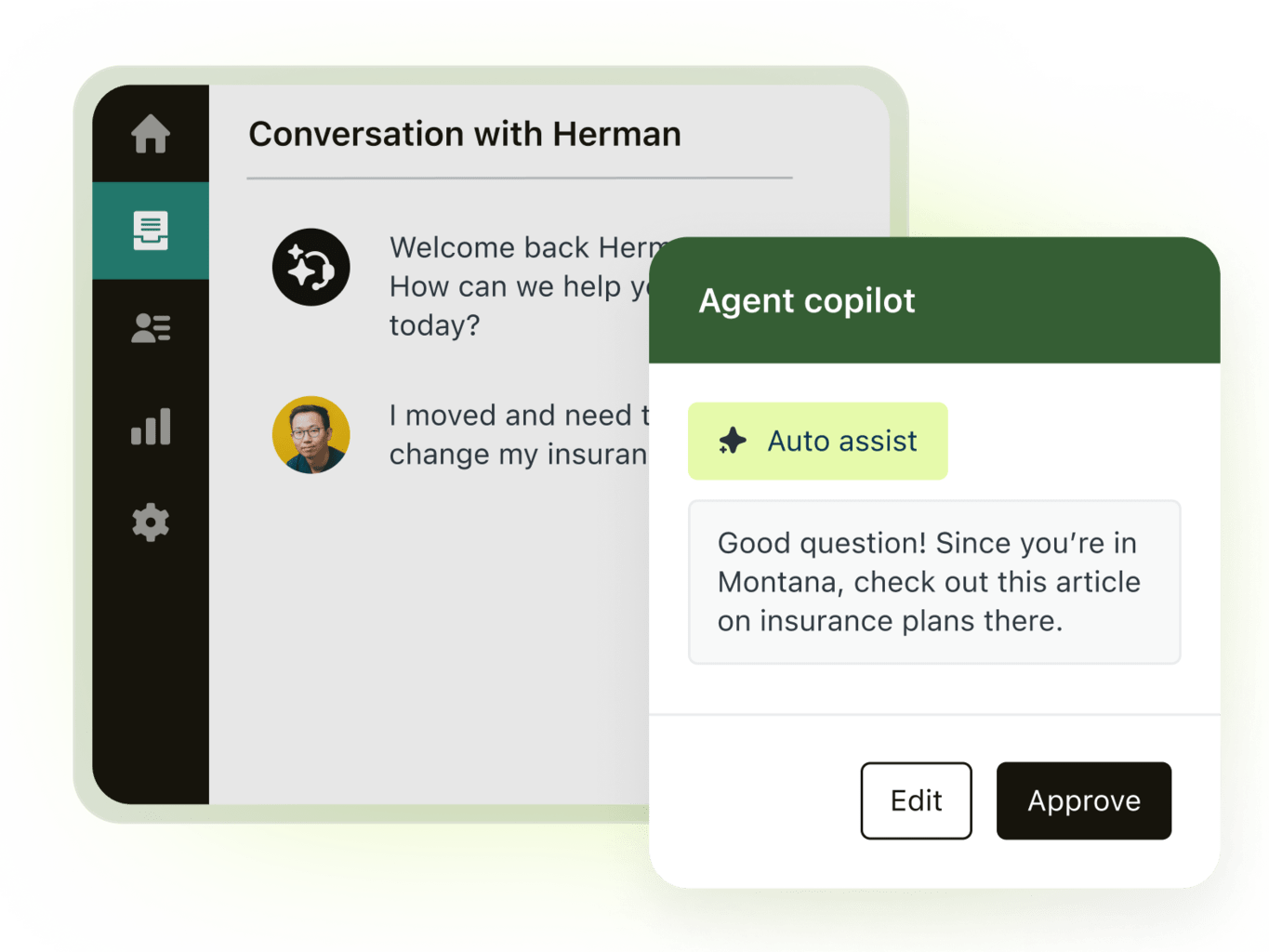
Experience intelligent CX with Zendesk AI.
Zendesk’s AI copilot guides agents in real time with full customer context, suggested replies, sentiment insights, and next steps. Agents can resolve issues faster while keeping service personal, accurate, and consistent.
Fin supports AI-assisted conversations, but Zendesk provides more advanced real-time guidance.
Omnichannel service workspace
Zendesk brings email,live chat software,SMS, voice, WhatsApp,social messaging, forms, and more into one service workspace. Agents get full context, while leaders manage routing, reporting, and quality across channels.
Fin supports multiple channels, but some require additional fees. Zendesk is stronger for teams that need connected omnichannel operations without fragmented workflows or reporting.
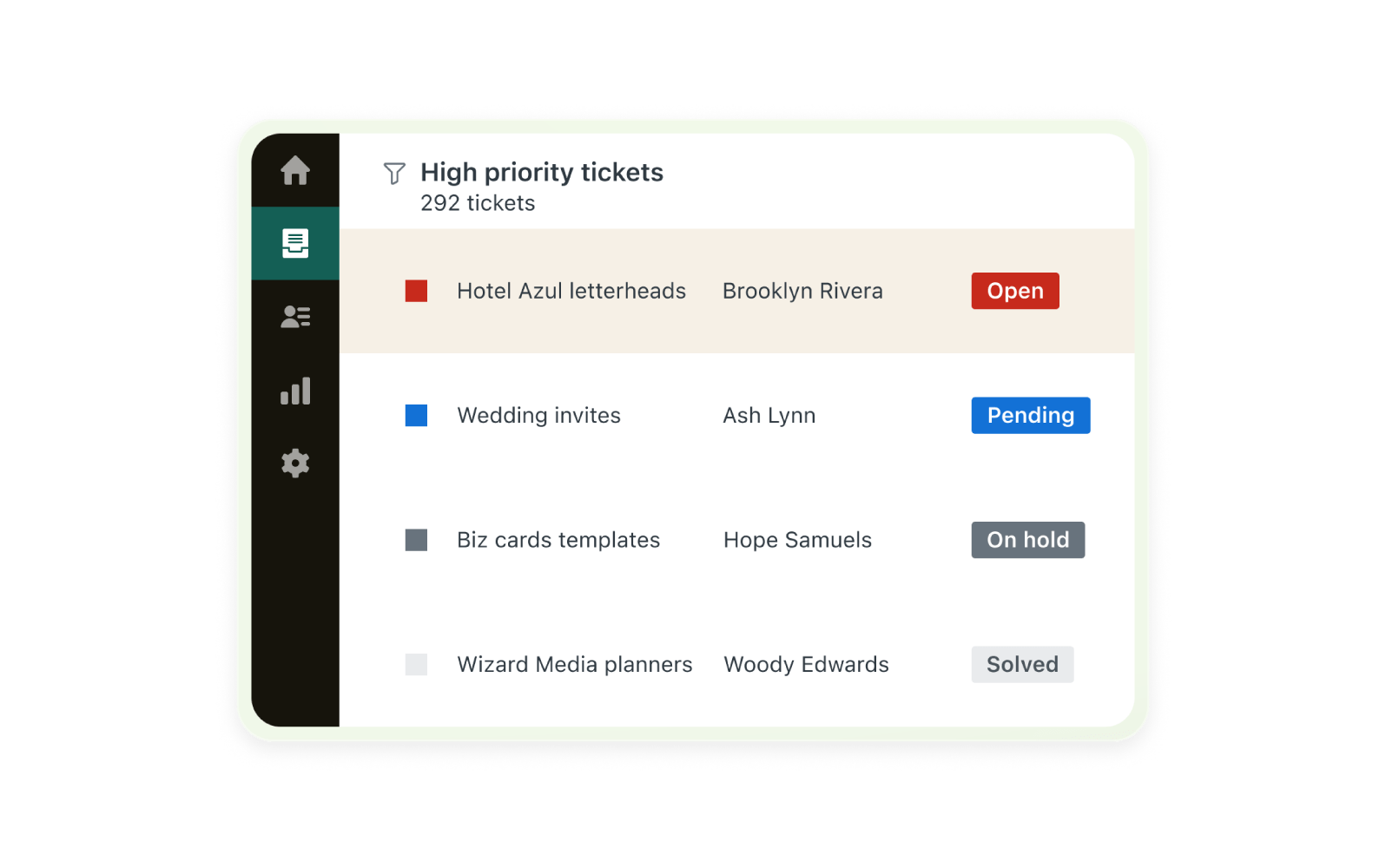
Learn more about the Zendesk Agent Workspace.
Native ticketing
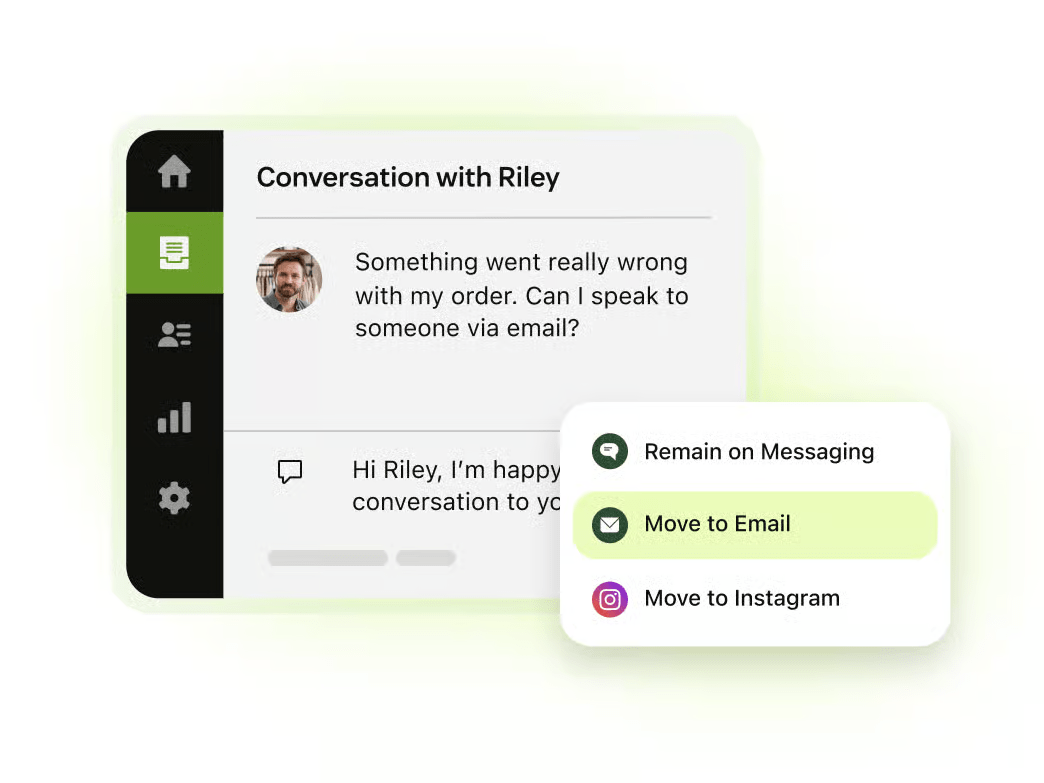
Manage every case with Zendesk ticketing.
Zendesk gives teams a structured ticketing system for managing high volumes of interactions. Teams can manage ownership, escalations, queues, SLAs, internal collaboration, and agent visibility in one place.
Fin supports AI-led conversations and handoffs. Team collaboration involves @mentions.
QA, reporting, and workforce management
Zendesk includes native QA, reporting, and WFM so leaders can evaluate quality, coach agents, forecast demand, schedule teams, and track performance in one platform.
Fin does not offer the same native QA and WFM depth. Teams may need third-party tools to manage coaching, staffing, review workflows, adherence, and performance at scale.
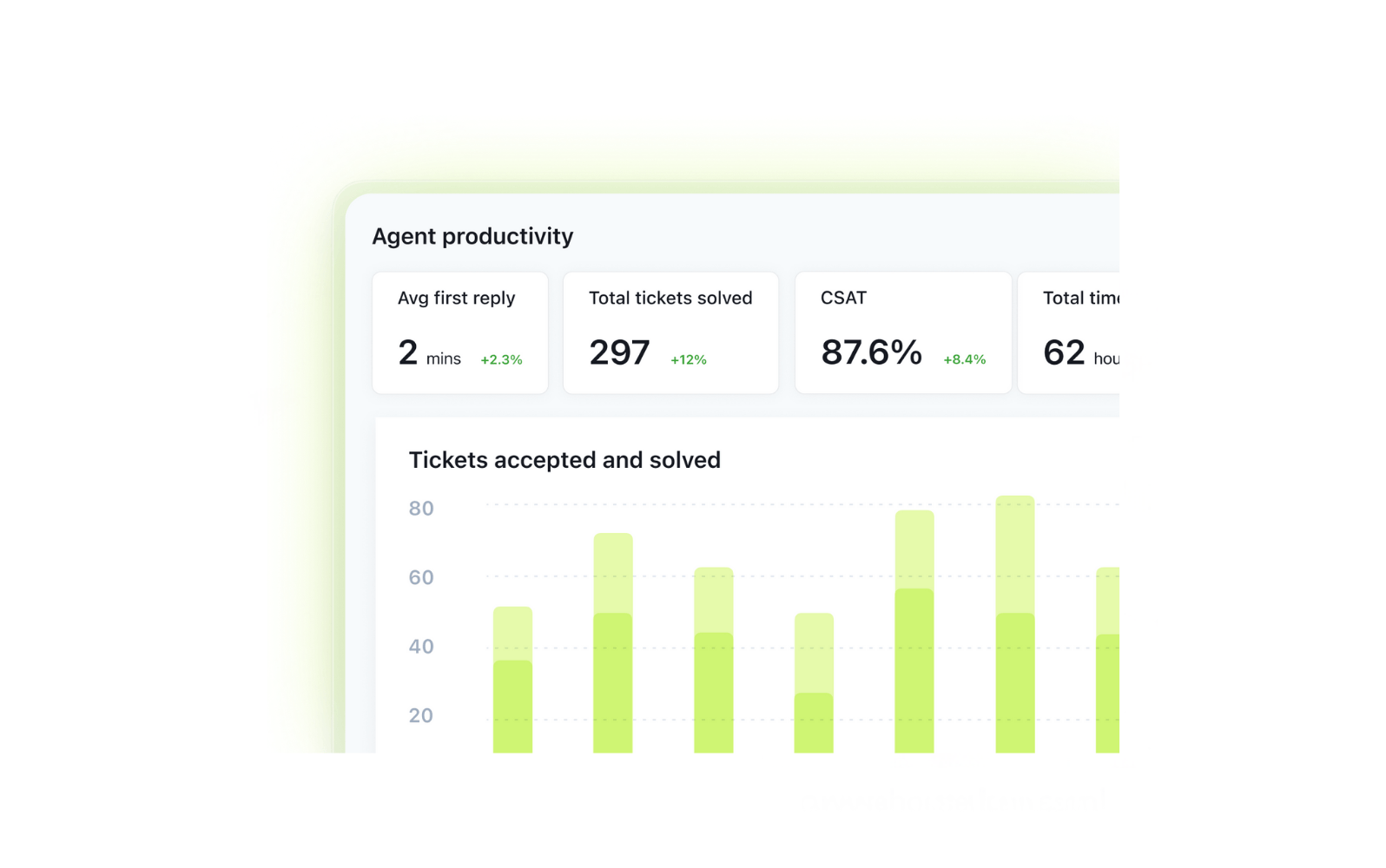
Discover Zendesk’s quality assurance and workforce management tools.
Zendesk vs. Fin pricing
|
Zendesk |
Fin |
|
|
|
*Plans are billed annually. | |
Zendesk offers predictable plans that scale with your service needs. Teams get the platform depth required to manage ticketing, channels, workflows, reporting, QA, WFM, and AI in one place.
Fin’s base fee is higher than Zendesk’s and AI costs depend on outcome volume. As teams grow, they may also need added tools for mature operations like QA, workforce management, and reporting.
See why teams choose Zendesk over Fin
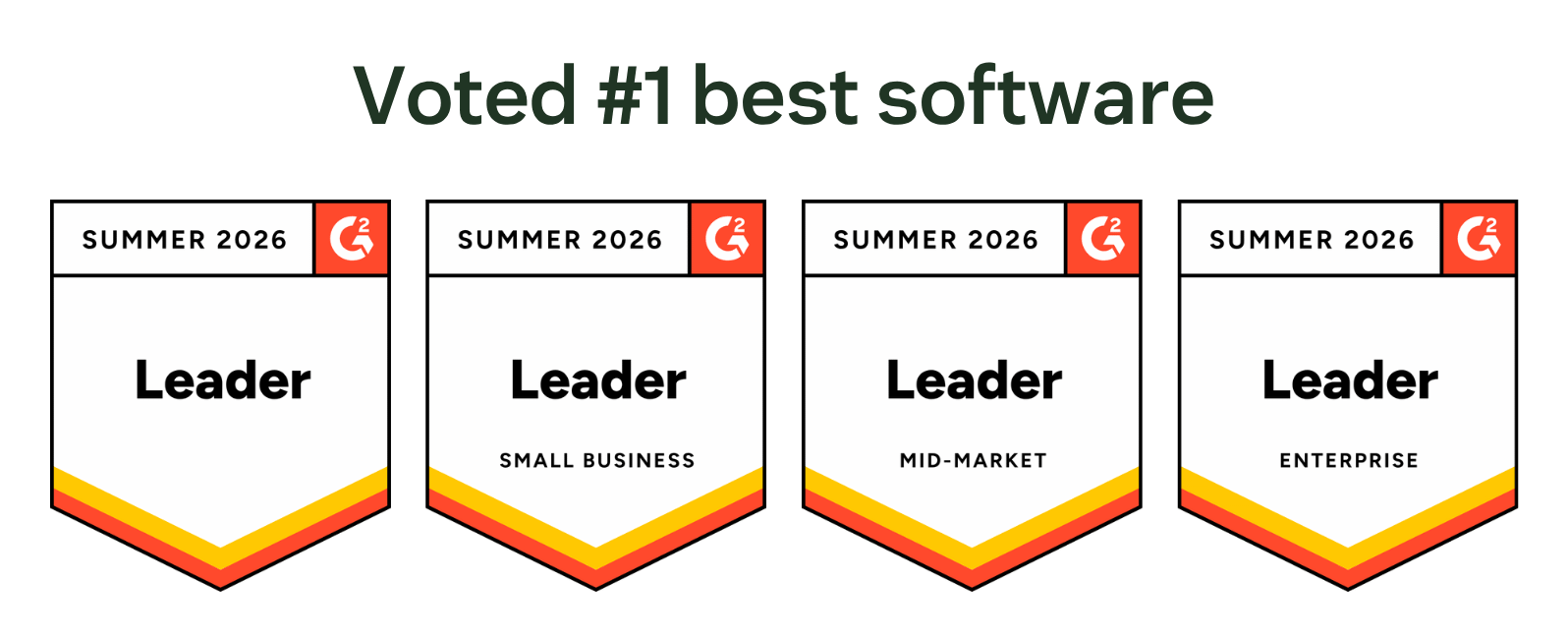
Across industries, service teams choose Zendesk when they need an all-in-one, truly omnichannel platform. Zendesk connects AI, knowledge, workflows, and operations so CX and EX teams can scale faster and work smarter.
See how customers across the globe use Zendesk to improve resolution speed, strengthen service quality, and build a stronger foundation for AI-powered support.
Bitly
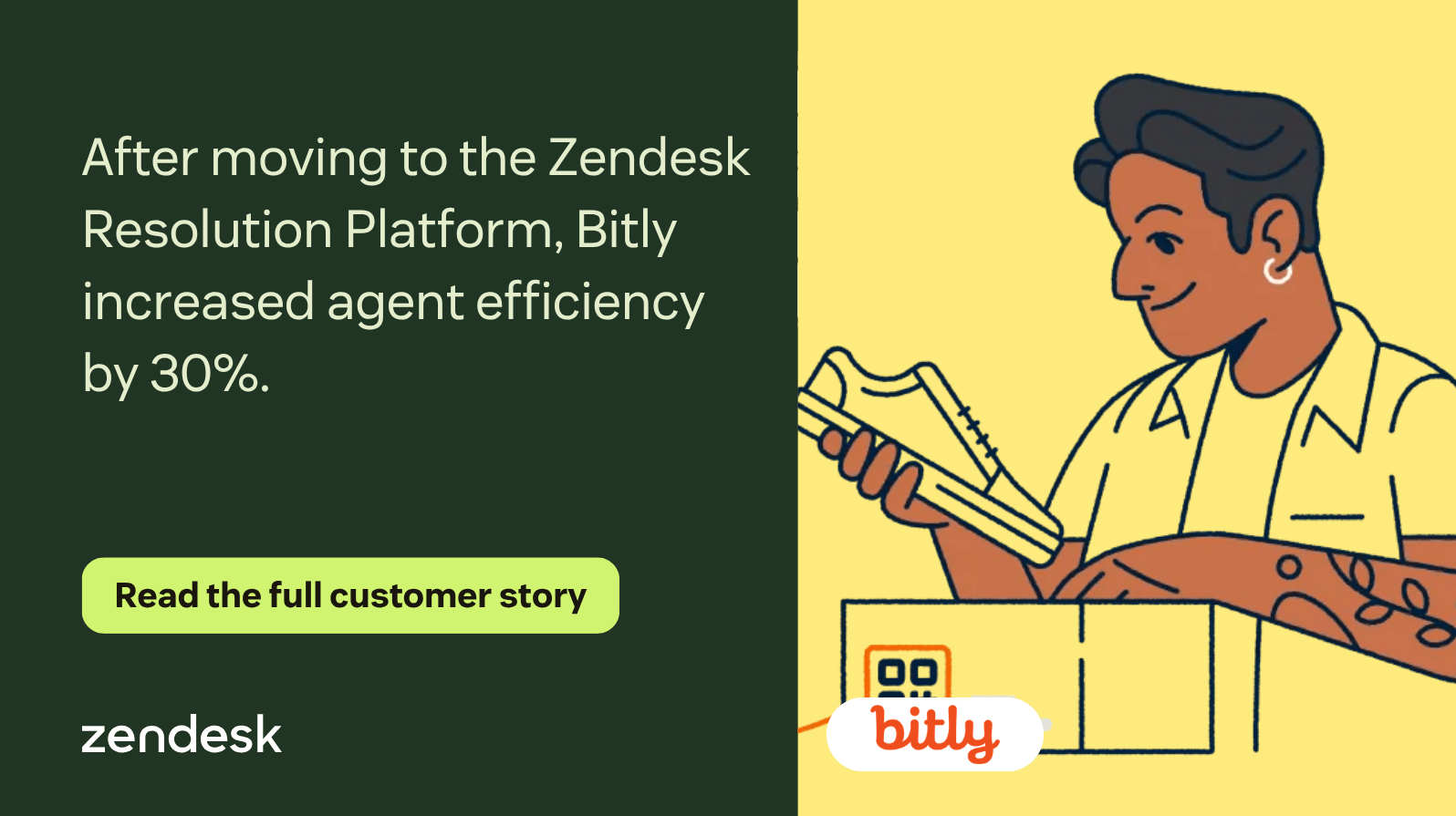
“Zendesk is really the hub of our entire support operation. Everything builds off of that.”
– Brad Harris, global customer support director at Bitly
Playtomic
“Zendesk AI didn’t just transform our daily operations—it gave us the ability to scale with quality and efficiency.”
– Giulio Castiglioni, director of customer care at Playtomic
Printify
“Zendesk is a reliable platform—and it’s world-class, which means we can count on it to make sure our operations run smoothly.”
– Valeria Kast, head of merchant support at Printify
Frequently asked questions
Purpose-built for service: The Zendesk Resolution Platform
Choose a service platform built for real resolutions, mature operations, and predictable scale. The Zendesk Resolution Platform brings AI, agents, knowledge, workflows, omnichannel support, reporting, QA, and WFM together so teams can improve customer outcomes while reducing agent effort. Start your free Zendesk trial today.
Get to know our products
Explore more Zendesk customer service solutions, from AI agents and copilots to messaging, ticketing, quality assurance, knowledge management, WhatsApp, and workforce management.